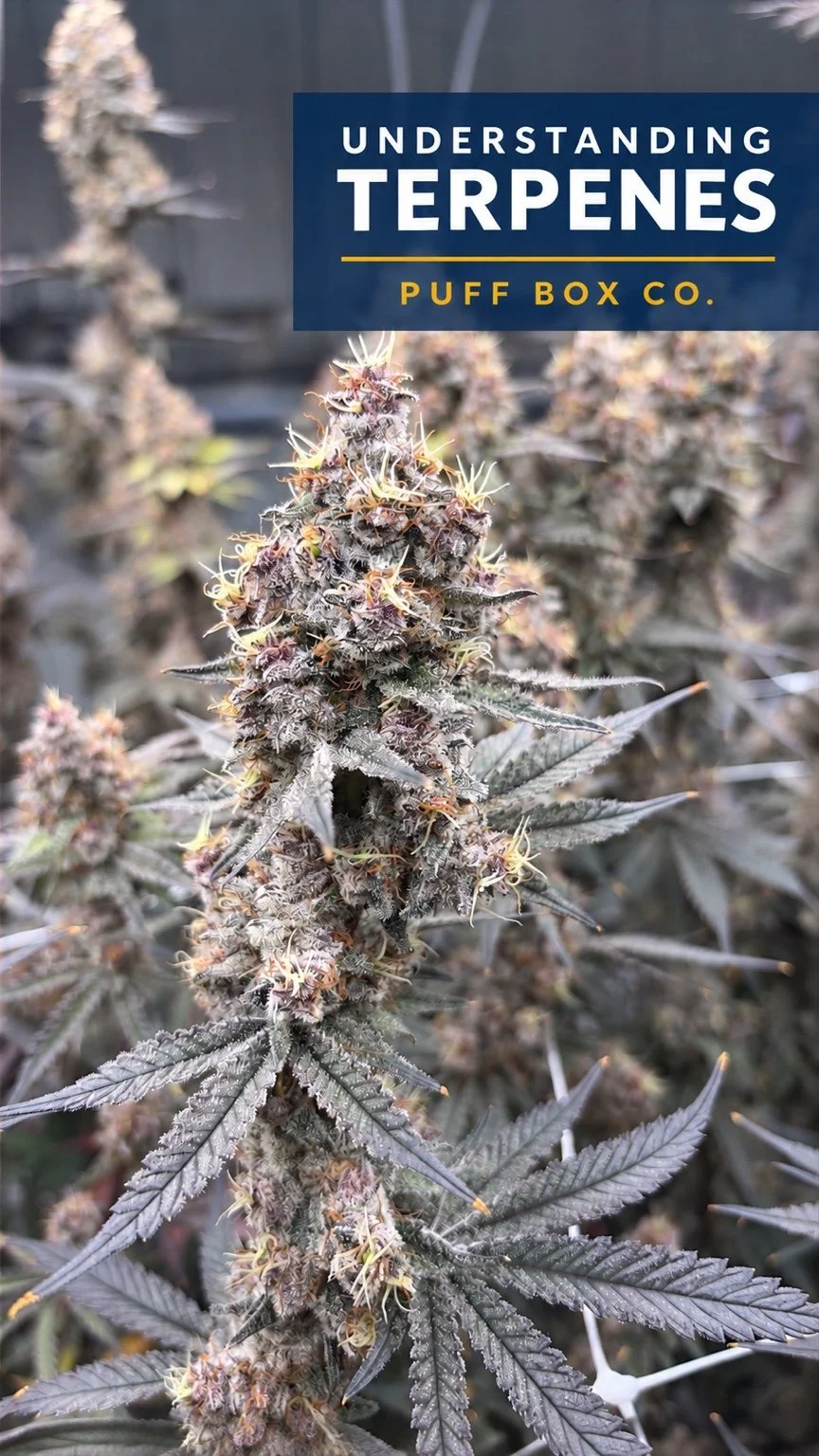
Understanding Terpenes: Why Cannabis Is More Than Just THC
One thing I hear all the time is, “What has the highest THC?”
I completely understand why people ask, but working around cannabis every day has taught me that the highest THC percentage doesn’t automatically make something the best match for you. There is so much more to the plant—including terpenes.
What Are Terpenes?
Terpenes are natural compounds that help give cannabis its smell and flavor. They’re why one strain may smell fruity and sweet while another smells earthy, citrusy, floral, gassy, or skunky.
Terpenes aren’t exclusive to cannabis, either. They’re also found throughout nature in fruits, flowers, herbs, and trees.
If you’ve ever opened two jars with similar THC percentages and noticed that they smelled completely different, their terpene profiles were part of what you were noticing.
Five Common Cannabis Terpenes
Limonene
Usually has a bright citrus aroma similar to lemons or oranges.
Myrcene
Often has an earthy, herbal, or slightly musky smell.
Caryophyllene
Usually has a peppery or spicy aroma and is also found in black pepper.
Pinene
Often smells fresh and pine-like.
Linalool
Commonly has a softer, floral aroma similar to lavender.
Why Should You Look Beyond THC?
Two strains can have similar THC percentages but still smell, taste, and feel completely different. Their cannabinoid and terpene profiles aren’t the same—and neither are the people using them.
A terpene profile cannot guarantee how a product will make someone feel. Individual tolerance, experience, product type, amount used, and other factors all matter.
That’s why I encourage customers to look beyond one number on the label. Pay attention to the aromas and products you enjoy. Ask questions. Remember what worked well for you and what didn’t.
Over time, you may begin noticing patterns in the strains and terpene profiles you prefer.
Learning From Seed to Store
At Puff Box, we don’t just sell cannabis—we work closely with it throughout the seed-to-store process. We get to watch these plants grow, learn their characteristics, and see how different genetics develop.
Our team is always learning, and we want to share that knowledge in a way that feels simple, honest, and easy to understand.
The next time you’re choosing flower, don’t be afraid to look beyond THC. Your nose and your personal experience may tell you more than the biggest number on the jar.
If you have questions about what you’re looking at, please ask us. Helping our customers understand what they’re buying is part of our job—and something I genuinely enjoy.
Kay Damon
Manager & Compliance Officer
Puff Box
Educational information only. Individual experiences vary. Research into cannabis terpenes and their possible effects is still developing.
Further reading: The Cannabis Terpenes—National Library of Medicine
Live Resin vs Distillate — What’s the Difference?
Live resin and distillate are two popular cannabis extract types, and each offers a different experience and benefit.
Live resin is made from fresh, frozen cannabis plants. Because the plant is frozen right after harvest, it keeps more of its natural aromas, flavors, and terpenes. This means live resin often tastes richer and can provide a more full-body, “true-to-the-plant” experience. Many patients choose live resin when they want strong flavor, natural terpene benefits, and effects that feel more balanced and complete.
Distillate, on the other hand, is highly refined. It focuses mainly on THC, with most other plant compounds removed. Distillate is often flavor-neutral and used in many vape carts and edibles because it’s consistent, clean, and strong. Patients who want simple, straightforward THC relief or who prefer a more neutral taste may enjoy distillate.
In simple terms:
Live resin = more natural flavor + terpene benefits + full-plant experience
Distillate = clean, strong THC + consistent and simple effects
Choosing between the two depends on your preference — natural flavor and full effects, or clean potency and simplicity. Both offer effective relief; it just comes down to what feels best for you.
RSO (Rick Simpson Oil) — Why Some Patients Choose It
RSO, or Rick Simpson Oil, is a full-extract, full-spectrum cannabis oil known for its strong, long-lasting effects and powerful wellness support. It contains a wide range of cannabinoids and plant compounds, making it popular for patients looking for full-body relief.
Many people turn to RSO for help with chronic pain, inflammation, sleep issues, appetite support, and long-term overall wellness. Because it’s very potent, patients typically start with a tiny amount — often the size of a grain of rice — and increase slowly if needed.
RSO can be taken by mouth or mixed with food, and it provides deep, lasting effects that build in the body over time. For patients looking for natural, full-plant medicine with serious therapeutic potential, RSO is a trusted option.
Always start small, go slow, and work your way toward what feels right for your body. With patience and consistency, many people find RSO to be a powerful tool in their wellness routine.
What Is Microdosing Cannabis and Who Is It For?
Microdosing means taking very small amounts of cannabis to feel the benefits without feeling overly high. Instead of using a full dose, microdosing focuses on gentle, controlled relief — usually measured in milligrams.
People choose microdosing when they want help with stress, anxiety, focus, pain, mood support, or daily balance without heavy effects. Many medical patients find that smaller doses help them stay productive and clear-minded while managing symptoms.
Microdosing can be done with edibles, tinctures, capsules, or low-dose vaporizers. Some start as low as 1–2mg and slowly adjust. The goal isn’t to feel “stoned” — it’s steady, subtle support.
This approach works well for people who are new to cannabis, anyone who prefers a mild experience, or those using cannabis during the day for wellness. For many patients, less can truly be more, and a gentle dose can go a long way in supporting daily comfort and well-being.
The Entourage Effect — Why Whole-Plant Medicine Matters
Cannabis is a remarkably complex plant. It contains more than one hundred known cannabinoids and hundreds of natural aromatic compounds called terpenes. While many people are familiar with THC and CBD, cannabis medicine extends far beyond a single molecule. One of the most important principles in modern cannabis science is the Entourage Effect — the idea that cannabis compounds work better together than they do in isolation.
The Entourage Effect describes how cannabinoids and terpenes interact synergistically to enhance therapeutic benefits. When these compounds work together, they can influence how the body absorbs and responds to cannabis, often resulting in deeper relief, more balanced effects, and a smoother overall experience. Many patients find that full-spectrum products feel more effective, natural, and supportive than isolated compounds like pure THC or CBD alone. This synergy can help with chronic pain, inflammation, anxiety, sleep challenges, appetite support, and overall mood stability.
Different cannabinoids can complement each other. THC and CBD, for example, can soften each other’s edges — CBD may help balance the intensity of THC while still allowing its therapeutic value. CBN combined with THC may support more restorative sleep for individuals struggling with nighttime discomfort or insomnia. CBD paired with CBG may offer benefits for inflammation, gut health, and neurological support. Meanwhile, terpenes add another dimension of therapeutic value. Myrcene may help the body relax. Limonene may encourage a brighter mood. Caryophyllene interacts with inflammatory pathways and may help with physical discomfort. Linalool carries calming and anti-anxiety qualities that many patients appreciate.
This is why whole-plant and full-spectrum cannabis products play such an important role in medical care. Full-spectrum tinctures, live resin or live rosin products, RSO oils, and strain-specific flower preserve the plant’s natural chemistry, allowing these compounds to work together as nature intended. While isolated cannabinoids or distillates have their place, especially for patients who need very controlled dosing or minimal THC exposure, many find that the most balanced and effective symptom control comes from whole-plant medicine.
It is also important to remember that cannabis responses are highly individual. What works well for one patient may not be the ideal formula for another. Some patients feel best with THC-dominant strains. Others benefit from balanced ratios. Some prefer microdosing throughout the day, while others find evening-focused formulations provide the most relief. Keeping track of what works — and adjusting slowly and intentionally — is key to success.
The Entourage Effect is a cornerstone of therapeutic cannabis, supported by both emerging research and countless patient experiences. It reinforces the concept that cannabis is not a one-size-fits-all medication but a personalized wellness tool. Patients seeking whole-body balance, long-term relief, and natural support often benefit most from full-spectrum formulations that preserve the full orchestra of plant compounds.
Indica vs. Sativa vs. Hybrid — A Modern Medical Perspective
For years, the cannabis world relied heavily on three basic labels: Indica, Sativa, and Hybrid. These categories were once used to predict how a strain might make a patient feel, with Indica traditionally associated with deeper body relaxation and sedative properties, Sativa linked to energy and uplifted mood, and Hybrid considered a balanced middle ground. While these classifications are still widely used and can serve as a starting point, modern cannabis science paints a much more sophisticated picture.
Originally, Indica and Sativa referred to the plant’s physical characteristics — Indica plants typically grow shorter and bushier with broad leaves, while Sativa plants grow taller with slender leaves. Those botanical differences, however, do not fully determine how a strain will affect someone. Today’s cannabis marketplace is largely hybridized, meaning most strains are a mix of both genetic families. As a result, the traditional Indica-Sativa distinction is no longer a reliable indicator of experience.
What truly shapes a cannabis experience is the plant’s chemical profile — specifically its combination of cannabinoids and terpenes. Cannabinoids such as THC, CBD, CBG, and CBN play central roles in therapeutic effects, influencing factors like pain relief, inflammation control, sleep support, appetite, and stress response. Terpenes, the aromatic compounds responsible for each strain’s scent and flavor, also strongly influence effects. Myrcene may create calming, body-heavy sensations; limonene is often associated with elevated mood; linalool can offer soothing, anti-anxiety properties; and pinene may support mental clarity and focus. The unique interaction between cannabinoids, terpenes, and an individual’s physiology is what ultimately determines a patient’s experience.
For medical cannabis patients, a more effective approach than relying on labels is focusing on goals and outcomes. Individuals seeking support with sleep, muscle tension, or end-of-day relief may benefit from strains rich in myrcene, linalool, or CBN, and products that lean toward relaxing effects. Patients managing anxiety or looking for daytime functionality often respond well to CBD-forward strains, limonene, or balanced cannabinoid profiles that avoid heavy sedation. For those dealing with chronic pain, a thoughtful combination of THC and CBD, supported by anti-inflammatory terpenes like caryophyllene, can be helpful.
The most important takeaway is that cannabis affects everyone differently. Personal body chemistry, tolerance, lifestyle, and medical needs all play a role. Keeping notes, observing how different strains and terpene profiles make you feel, and seeking guidance from knowledgeable professionals leads to more precise and consistent results than choosing based solely on the Indica-Sativa-Hybrid model.
Traditional strain categories can still provide a general starting point, but the future of medical cannabis is rooted in understanding cannabinoid content, terpenes, and individualized response. For patients seeking therapeutic benefits, precision matters — and the best results come from choosing cannabis based on intended outcomes rather than old-school labels.

What are Terpenes?
A Comprehensive Guide to Cannabis Terpenes: Aromas, Effects & What to Know
When people talk about cannabis, THC and CBD usually get most of the attention. But there is another major part of the plant that deserves some love: terpenes.
Terpenes are the aromatic compounds responsible for many of the smells and flavors we associate with cannabis—from citrus and pine to berries, flowers, fuel, earth, and spice.
But terpenes aren't just about smell. Researchers are also studying how they may interact with cannabinoids and influence the overall cannabis experience.
So, let’s break down some of the most common cannabis terpenes and what makes each one unique.
What Are Terpenes?
Terpenes are naturally occurring compounds found in cannabis and many other plants, fruits, herbs, and flowers.
They are what give lemons their citrus smell, lavender its floral aroma, and pine trees their unmistakable scent.
In cannabis, terpenes are produced in the plant’s resin glands alongside cannabinoids like THC and CBD.
You may have heard the term “entourage effect.” This is the theory that cannabinoids, terpenes, and other compounds in cannabis may work together and influence the overall experience differently than any one compound would on its own.
Research into this is still developing, so terpene profiles are best thought of as another useful piece of information—not a guarantee of exactly how a product will make someone feel.
Common Cannabis Terpenes
1. Myrcene
Aroma: Earthy, musky, herbal, slightly spicy
Myrcene is one of the most commonly found terpenes in cannabis. It is often associated with relaxing, heavier-feeling cannabis varieties.
You can also find myrcene naturally in plants like hops, lemongrass, thyme, and mangoes.
Commonly found in: Granddaddy Purple, OG Kush, Mango Kush
2. Limonene
Aroma: Lemon, citrus, orange
As the name suggests, limonene gives off that bright citrus smell.
Cannabis varieties high in limonene are often described by consumers as uplifting or refreshing, although everyone's experience can be different.
Limonene is also naturally found in citrus peels.
Commonly found in: Super Lemon Haze, Lemon Skunk, Jack Herer
3. Pinene
Aroma: Pine, fresh herbs, earthy
Pinene smells exactly like you might expect: fresh pine trees.
It is one of the most common terpenes found throughout nature and is also present in pine needles, rosemary, basil, and other herbs.
Cannabis containing noticeable amounts of pinene is often described as having a fresh, clear, or outdoorsy profile.
Commonly found in: Blue Dream, Dutch Treat, Strawberry Cough
4. Caryophyllene
Aroma: Peppery, spicy, woody
Caryophyllene is especially interesting because it can interact with the body's CB2 cannabinoid receptors.
It is also responsible for some of the spicy aroma found in black pepper, cloves, and cinnamon.
Cannabis high in caryophyllene often has a warm, peppery, slightly funky smell.
Commonly found in: Bubba Kush, Girl Scout Cookies, Sour Diesel
5. Linalool
Aroma: Floral, lavender, sweet
Linalool is probably most recognizable as one of the compounds responsible for lavender's familiar scent.
Cannabis varieties containing higher levels of linalool are commonly described as having floral aromas and relaxing characteristics.
Commonly found in: Lavender, LA Confidential, Amnesia Haze
6. Terpinolene
Aroma: Floral, herbal, citrusy, slightly sweet
Terpinolene has a little bit of everything going on. Depending on the strain, you may notice floral, citrus, pine, or herbal notes.
Compared with terpenes like myrcene or limonene, terpinolene tends to appear in smaller amounts in many cannabis varieties.
Commonly found in: Jack Herer, Cinderella 99, Orange Cookies
7. Humulene
Aroma: Earthy, woody, hoppy
Beer drinkers may recognize this aroma because humulene is also found in hops.
It creates an earthy, woody smell and often appears alongside caryophyllene in cannabis.
Commonly found in: Headband, White Widow, Girl Scout Cookies
8. Bisabolol
Aroma: Sweet, floral, herbal
Bisabolol is naturally found in chamomile and is known for its light, floral aroma.
It tends to be less dominant than some other cannabis terpenes but can add a softer, sweeter quality to a strain's overall terpene profile.
Commonly found in: ACDC, OG Kush, Pink Kush
9. Ocimene
Aroma: Sweet, herbal, citrusy
Ocimene has a bright, fresh aroma that can lean sweet, tropical, citrusy, or herbal.
It is also naturally found in plants like basil, mint, orchids, and parsley.
Commonly found in: Strawberry Cough, Dutch Treat and some OG Kush varieties
How Do Terpenes Affect Your Cannabis Experience?
This is where cannabis gets interesting.
Two products can have similar THC percentages and still smell, taste, and feel completely different.
The terpene profile is one reason why.
Instead of shopping strictly by THC percentage—or even only choosing between indica, sativa, and hybrid—looking at cannabinoids + terpenes + your personal experience can give you a much better picture of a product.
For example, one flower might have a strong citrus-forward limonene profile, while another may be heavy in earthy myrcene and spicy caryophyllene.
Even when THC levels are similar, the overall experience may be very different.
Don't Shop by THC Alone
One of the biggest things I want people to understand about cannabis is that higher THC doesn't automatically mean better cannabis.
Smell the flower.
Look at the terpene profile.
Think about what you have enjoyed in the past.
If you consistently love strains that smell like citrus, fuel, pine, berries, or earth, you may start noticing that certain terpenes keep showing up in your favorites.
That's where learning about terpenes becomes really useful.
Find Your Terpene Profile
Everyone responds to cannabis differently, so there isn't one perfect terpene or strain for everyone.
Start paying attention to what you enjoy.
Do you gravitate toward:
Citrus? Look for limonene.
Pine? Look for pinene.
Pepper and spice? Caryophyllene may be showing up.
Earthy and herbal? Myrcene might be part of the profile.
Floral? Keep an eye out for linalool.
Over time, you may start recognizing your favorite terpene combinations before you even know the strain name.
And if you're not sure where to start, ask your Puff Box budtender.
Tell us what aromas, flavors, products, or strains you've enjoyed before, and we can help you explore different terpene profiles and find something that fits what you're looking for.
Happy exploring! 🌿
Cannabis affects everyone differently. Information about terpenes is for educational purposes and should not be considered medical advice.
-Kay

What is CBD and How Can It Help You?
In recent years, you’ve probably heard a lot about CBD – whether in health stores, on social media, or from friends and family. But what exactly is CBD, and how can it help improve your well-being? Let’s break it down and explore this natural compound that’s making waves for its potential to support everything from stress relief to better sleep.
What Is CBD?
CBD stands for cannabidiol, a chemical compound found in the cannabis plant. Unlike its more well-known cousin, THC (tetrahydrocannabinol), CBD is non-psychoactive, meaning it won’t get you “high.” This makes CBD an appealing option for people who want to experience the potential health benefits of cannabis without any intoxicating effects.
CBD interacts with the body’s endocannabinoid system, a complex network of receptors and neurotransmitters that play a crucial role in regulating various physiological processes, including mood, pain, sleep, and immune function. By supporting this system, CBD has the potential to promote balance and well-being in the body, which is why it’s being embraced by many as a natural wellness solution.
How Can CBD Help You?
CBD is a versatile compound that may help with a range of common health concerns. Here’s how it can benefit your daily life:
1. Stress and Anxiety Relief
In today’s fast-paced world, many of us struggle with stress and anxiety. Whether it’s due to work, relationships, or daily life pressures, anxiety can take a toll on both our mental and physical health. Research suggests that CBD may help by interacting with receptors in the brain that regulate mood and stress responses. Studies have found that CBD may promote a calming effect, reducing feelings of anxiety and helping individuals feel more relaxed without the sedative effects of traditional anti-anxiety medications.
CBD is particularly popular among people who experience social anxiety, generalized anxiety disorder, or even occasional nervousness before big events like public speaking or travel.
2. Pain and Inflammation Relief
CBD is widely recognized for its potential to help with pain management, particularly for those suffering from chronic pain conditions like arthritis, back pain, or muscle soreness. One of CBD’s key benefits is its ability to reduce inflammation – a common cause of pain in the body. By interacting with receptors in the immune system, CBD may help reduce inflammation and alleviate pain. This makes it an appealing alternative for people looking for natural relief from physical discomfort.
Many people apply CBD topicals directly to sore or inflamed areas for targeted relief or take CBD oils and capsules to manage overall pain. Unlike some pharmaceutical painkillers, CBD is non-addictive and generally well-tolerated, making it a safer option for long-term use.
3. Better Sleep
Struggling with sleep is something that nearly everyone experiences at some point in their life. Whether it’s difficulty falling asleep, staying asleep, or simply waking up feeling unrefreshed, poor sleep can have a negative impact on overall health. CBD may help improve sleep by promoting relaxation and reducing factors that contribute to sleep disturbances, such as anxiety or pain.
By calming the mind and body, CBD may help you fall asleep faster, stay asleep longer, and wake up feeling more rested. Many users report that CBD improves sleep quality, making it a natural alternative for those looking to improve their nightly rest.
4. Skin Health and Acne Relief
CBD is also finding its way into skincare products, and for good reason. Thanks to its anti-inflammatory and antioxidant properties, CBD has the potential to reduce skin irritation, redness, and acne. It works by balancing the skin’s oil production and calming inflammation, which can help with acne flare-ups and conditions like eczema or psoriasis.
CBD-infused topicals like creams, balms, and oils are increasingly popular for managing skin health, providing soothing relief to irritated or inflamed skin without the harsh chemicals found in many over-the-counter skincare products.
5. Support for Mental Clarity and Focus
While CBD is often associated with relaxation, it may also enhance mental clarity and focus. Some studies suggest that CBD could have neuroprotective properties, helping to support brain health and cognitive function. It may even assist with reducing symptoms of brain fog, allowing you to feel more alert and focused throughout the day.
For people who find themselves feeling scatterbrained or easily distracted, CBD may help you stay centered, calm, and able to focus on the tasks at hand.
How to Use CBD
CBD comes in many forms, making it easy to find an option that works for you. Here are a few popular methods of consumption:
• Oils and Tinctures: One of the most common and versatile ways to take CBD. Simply drop a few drops under your tongue and hold it there for 30–60 seconds before swallowing.
• Capsules and Edibles: Perfect for those who prefer a discreet and easy-to-dose option. CBD-infused gummies or soft gels are a convenient choice.
• Topicals: CBD-infused lotions, creams, and balms can be applied directly to the skin for targeted relief from pain, inflammation, or skin issues.
• Vapes: For fast-acting effects, some people use CBD vapes. However, this method may not be suitable for everyone, especially those with respiratory issues.
• Beverages: CBD can also be found in drinks like tea, coffee, or even water, providing a relaxing, refreshing way to incorporate it into your routine.
Is CBD Right for You?
CBD’s growing popularity is due in large part to its versatility and potential benefits. Whether you’re dealing with stress, pain, sleep issues, or simply looking for a natural way to support your overall health, CBD may offer a solution that fits your needs.
However, it’s important to note that CBD affects everyone differently. While many people experience positive effects, others may not find it as helpful. It’s always a good idea to consult with your healthcare provider before introducing CBD into your routine, especially if you’re taking other medications or have underlying health conditions.
CBD is a powerful, natural compound that can support your wellness in many ways. From helping with stress and anxiety to improving sleep and managing pain, its versatility makes it an attractive option for anyone looking for alternative methods to support their health. As always, it’s important to start with a small dose and monitor how it affects your body, ensuring you find the right fit for your needs.
If you’re curious about how CBD could benefit you, why not give it a try and see how it fits into your wellness routine?

What is CBN and How Can It Support Better Sleep?
CBN
Cannabinol (CBN) is a naturally occurring cannabinoid renowned for its calming and sedative properties. As a gentle, non-intoxicating compound, CBN offers unique range of benefits, particularly for those struggling with sleep and mild discomfort.
A Natural Sleep Aid
CBN is widley recognized as an excellent support for insomnia and difficilty staying asleep. Its soothing effects help calm the mind and body, promoting deeper, more restful sleep. Whether you’re struggling with occasional sleeplessness or looking for a natural alternative to traditional sleep aids, CBN could be the perfect solution.
Mild Psychoactive
While CBN does have mild psychoactive properties, they are far less intense than those associated with THC. This makes it an ideal choice for individuals seeking relaxation and improved sleep without the overwhelming effects of traditional THC products.
Pain Relief and Relaxation
CBN also offers mild pain relieving benefits, helping to ease discomfort that might interfere with relaxation and sleep. Its long-lasting calming effects further support a peaceful night’s rest by reducing tension and promoting overall relaxation.
Ideal for Better Sleep and Relaxation
CBN’s primary focus is on improving sleep quality. It’s gentle nature makes it a safe, effective option for anyone seeking to enhance their sleep routine, relax after a stressful day, or find relief from mild aches and pains.
Why Choose CBN?
CBN stands out as a natural solution for those looking to improve their sleep patterns, achieve relaxation, and experience mild pain relief. Whether you’re a light sleeper or simply seeking a more restful night, CBN offers a balanced and holistic approach to better health and well-being.

What is CBG and How Can it Support Your Health?
CBG
Cannabigerol (CBG). often referred to as the “mother of all cannabinoids,” is a non-intoxicating compound found in cannabis plants. While it exists in smaller quantities compared to other cannabinoids like CBD or THC, its potential health benefits are garnering significant attention in the wellness world. Here’s a breakdown of how CBG may support your health:
Digestive Health Support
CBG is known for its powerful anti-inflammatory properties, making it a potential aid for those suffering from digestive issues. Research suggests it may alleviate symptoms of inflammatory bowel disease (IBD) and other gut-related conditions by reducing inflammation and promoting overall gut health.
Neuroprotective
CBG shows promise in supporting brain health and protecting against neurodegenerative conditions. Its neuroprotective properties may help reduce oxidative stress, promote neurogenesis (the growth of new brain cells), and support overall cognitive function, making it a key player in maintaining long-term brain health.
Antibacterial Properties
Studies have highlighted CBG’s antibacterial effects, particularly against stubborn and resistant bacteria like MRSA (methicillin-resistant Staphylococcus aureus). This makes it a valuable compound in the fight against certain infections.
Anti-Inflammatory Effects
Inflammation is at the root of many chronic conditions, and CBG has been shown to have potent anti-inflammatory effects. This is particularly beneficial for digestive health but may also support joint health and overall well-being.
Holistic Brain Health
In addition to its neuroprotective abilities, CBG helps maintain balance in the body’s endocannabinoid system, which plays a vital role in regulating mood, memory, and overall mental clarity.
Why Consider CBG?
CBG offers a versatile range of potential benefits, making it a unique addition to any wellness routine, Whether you’re looking to support digestive health, protect your brain, or explore natural solutions for fighting infections, CBG could be the solution you’ve been seeking.